
A successful site does more than meet a business’s needs today. It should also leave room for growth.
For expanding companies, industrial developers, and property owners, that could mean additional buildings, more parking, increased truck traffic, or expanded utilities. While those improvements may be years away, decisions made during initial site design can have a lasting impact on what is possible down the road.
That’s where thoughtful civil engineering and master planning come into play.
Building Growth into the Site Plan
At Sain, we look at both the immediate project needs and the property’s long-term potential. By considering future development early, our team helps clients make decisions that support growth rather than limit it.
Take building placement, for example. The location of the first facility can determine where additional buildings, parking, and loading areas can go later. Access drives and truck circulation also deserve careful attention, particularly for industrial sites where efficient movement is essential.
Grading is equally important. Establishing appropriate elevations during the first phase can simplify future building pad development and potentially reduce earthwork costs when it’s time to expand.
These details may seem small in the early stages, but they can make a big difference years later. Thinking through them before construction begins gives property owners more flexibility and fewer surprises.
Coordinating Infrastructure for the Long Term
A site’s infrastructure needs to work together, both now and as the property develops.
Our Site/Civil team considers how utilities, drainage systems, access points, and stormwater facilities fit into the overall plan. This may involve reserving utility corridors, identifying future connection points, or positioning infrastructure to accommodate additional development.
Stormwater management is especially important. New buildings and pavement increase runoff, which can affect drainage requirements. Accounting for these changes early can help owners avoid reworking existing systems or finding space for additional stormwater facilities later.
The idea isn’t to build everything at once or spend money on infrastructure that isn’t needed yet. It’s about making smart decisions today that can save time, money, and headaches when the next phase begins.
Planning Beyond the First Phase
Industrial development is a good example of why this approach matters. Before a company can build a facility, the property needs to be prepared to accommodate it. And when future tenants or expansions are part of the picture, that preparation becomes even more important.
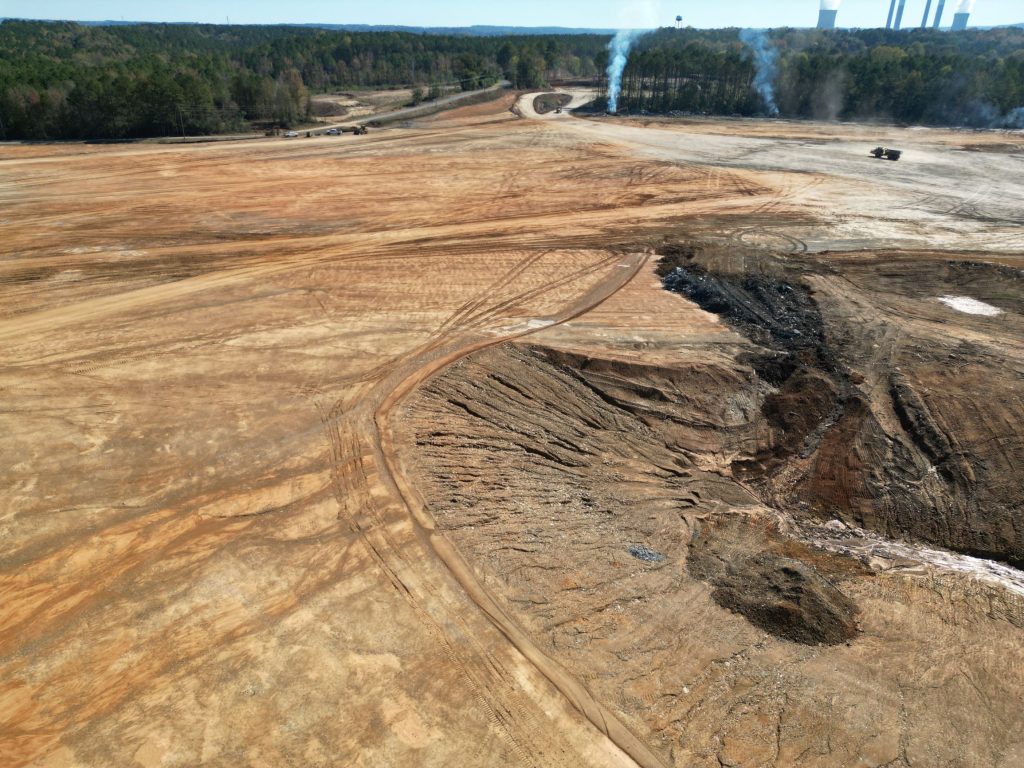
One example is Heritage Industrial Park in Walker County, Alabama, where Sain was involved in site development efforts supported by approximately $4.7 million in Growing Alabama funding. The project included mass grading of approximately 90 acres to prepare the property for industrial development.
Projects like Heritage Industrial Park demonstrate how much work happens before a building ever takes shape. Preparing a large industrial site requires careful consideration of grading, drainage, access, and how the property may be developed over time. These early investments help position communities to attract businesses, support job creation, and respond when economic development opportunities arise.
A Civil Engineering Partner for What Comes Next
Whether you’re developing a new industrial facility or expanding an existing property, having a long-term plan can make all the difference.
Sain brings together site layout, grading, utilities, stormwater management, and access planning to help clients make the most of their property. We understand that development often happens in phases, and our job is to help make the transition from one phase to the next as practical as possible.
Planning a new development or thinking about expanding an existing site? Let’s talk about how we can help you make the most of your investment.