
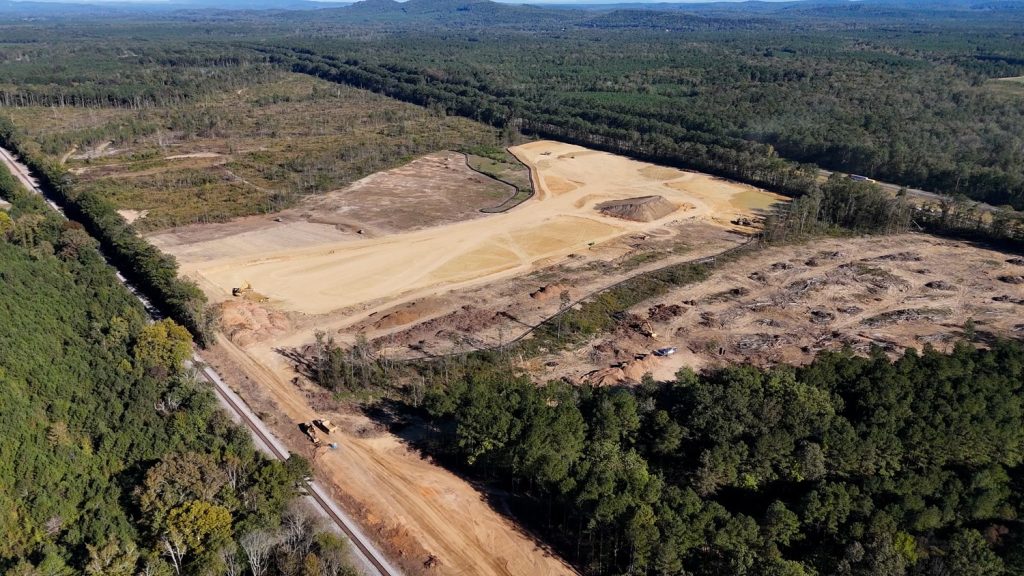
At some point in almost every project, someone asks the question: “When can we start construction?” The answer often comes down to whether a site is truly “shovel-ready.” While the term gets used frequently, the reality behind it is much more complex than having a set of plans in hand.
From a civil engineering perspective, a shovel-ready site is the result of dozens of decisions—many of them made long before construction is even on the horizon. It usually starts with understanding the site itself. On the surface, a property may look straightforward, but beneath that are layers of complexity: existing utilities, subtle elevation changes, soil conditions, and drainage patterns. Without a clear picture of these elements early on, projects can quickly shift from predictable to problematic.
As design begins, coordination becomes just as important as the plans themselves. Civil engineers often work in parallel with architects, utility providers, and local agencies, each bringing their own requirements and constraints. The earlier those conversations happen, the easier it is to identify conflicts—before they show up in the field.
Then there’s permitting, which is often the least visible—but most time-consuming—part of the process. A project may look ready on paper, but without the proper approvals in place, construction simply can’t move forward. Navigating those requirements takes both experience and a clear understanding of local processes.
Utilities are another piece of the puzzle that can’t be overlooked. It’s not uncommon to discover conflicts between existing infrastructure and proposed improvements. When that happens late in the process, it can lead to redesigns or delays. When it’s addressed early, it becomes just another step in a well-coordinated plan.
Behind all of this is the foundation of the site itself: grading and drainage. These elements don’t always get the spotlight, but they influence everything from stormwater management to accessibility and constructability. A well-designed site works with the land, not against it.
Ultimately, being shovel-ready isn’t about checking a single box. It’s about alignment—between design, approvals, utilities, and real-world construction conditions.
When those pieces come together, projects don’t just move forward—they move forward with confidence. Wondering if your site is truly shovel-ready? Let’s take a closer look. Our team can help identify potential challenges early and guide your project from concept to construction with fewer surprises along the way.