
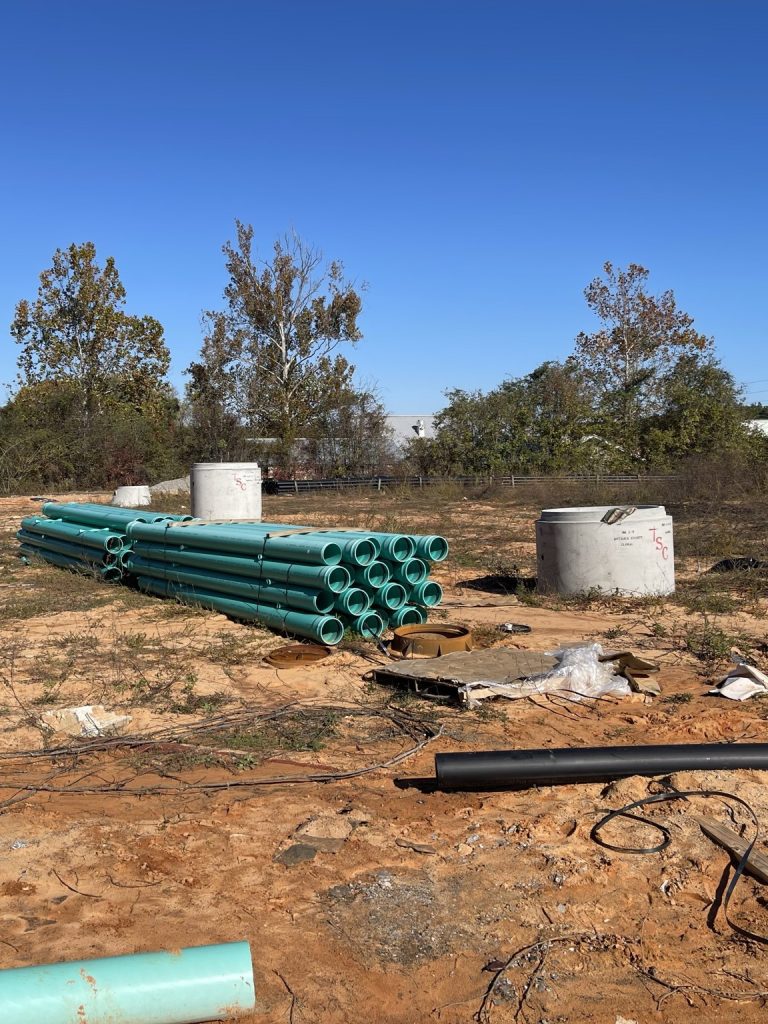
Public agencies rarely stall on infrastructure projects because they lack good ideas. They stall because they lack funding — or because the funding that does exist comes wrapped in requirements, matching funds, and compliance rules that are hard to untangle without help. Three sources come up constantly in our conversations with counties and municipalities across Alabama: ADECA, the Recreational Trails Program, and the American Rescue Plan Act. Here’s what project sponsors should know about each, and what it takes to turn an award letter into a finished project.
ADECA: the agency behind the grant
The Alabama Department of Economic and Community Affairs (ADECA) is the state’s primary conduit for federal and state grant dollars flowing into local communities. Its Federal Initiatives and Recreation Division alone administers the Recreational Trails Program, the Land and Water Conservation Fund, and regional programs through the Appalachian Regional Commission, Delta Regional Authority, and Southeast Crescent Regional Commission — on top of the community and economic development, energy, water resources, and transportation safety programs housed in ADECA’s other divisions.
For a city or county, this means ADECA isn’t just a funding source — it’s a partner whose requirements, timelines, and reporting expectations shape the entire life of a project. Knowing which division owns a given program, what documentation it expects at application versus at closeout, and how its cycle lines up with a construction season is often the difference between an application that sails through and one that stalls in review.
RTP: small grants, real technical requirements
The Recreational Trails Program has funded trail construction and rehabilitation since 1998, using federal highway dollars administered through ADECA. The program covers up to 80 percent of eligible project costs — new trail construction, rehabilitation of existing trails, trailhead and trailside facilities, accessibility improvements, and easement acquisition — with the sponsoring agency responsible for the remaining 20 percent, which can include in-kind contributions like volunteer labor or donated materials.
RTP grants are modest by infrastructure standards, but the technical expectations aren’t. Successful applications need a realistic conceptual layout and cost estimate before the grant is even awarded, and once funded, the project still must clear survey, environmental review, ADA compliance, and constructability standards before a contractor ever breaks ground.
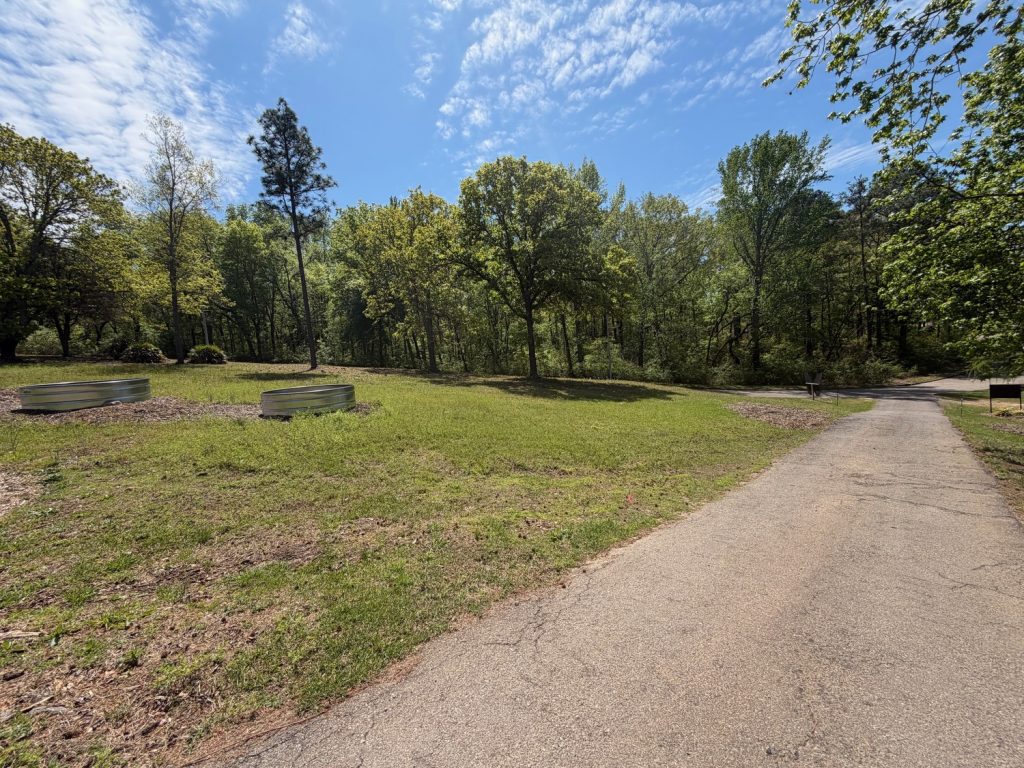
We’re seeing this play out right now in Anniston, where the city was awarded an RTP grant to build a new ADA-compliant walking trail connecting the Berman Museum at the Anniston Natural History Museum to the Longleaf Event Center parking area. Sain’s involvement started well before the award — with the conceptual layout and cost estimate that supported the city’s application — and has continued through topographic survey and into construction documents covering grading, drainage, erosion control, and site details. We’re now supporting Anniston through bidding and will stay engaged through construction, coordinating shop drawing reviews, RFIs, and site visits. It’s a useful reminder that RTP success isn’t just about writing a competitive application; it’s about being able to execute what you proposed.
ARPA: a deadline that’s now real
The American Rescue Plan Act (ARPA) sent an unprecedented amount of federal recovery money into state and local budgets, and a meaningful share of it has gone toward water, sewer, and broadband infrastructure — categories explicitly eligible under the program’s fiscal recovery fund rules. That money had to be obligated by the end of 2024, and it must be fully spent by the end of 2026. For any community still closing out ARPA-funded work, that deadline is no longer an abstraction — it’s this year.
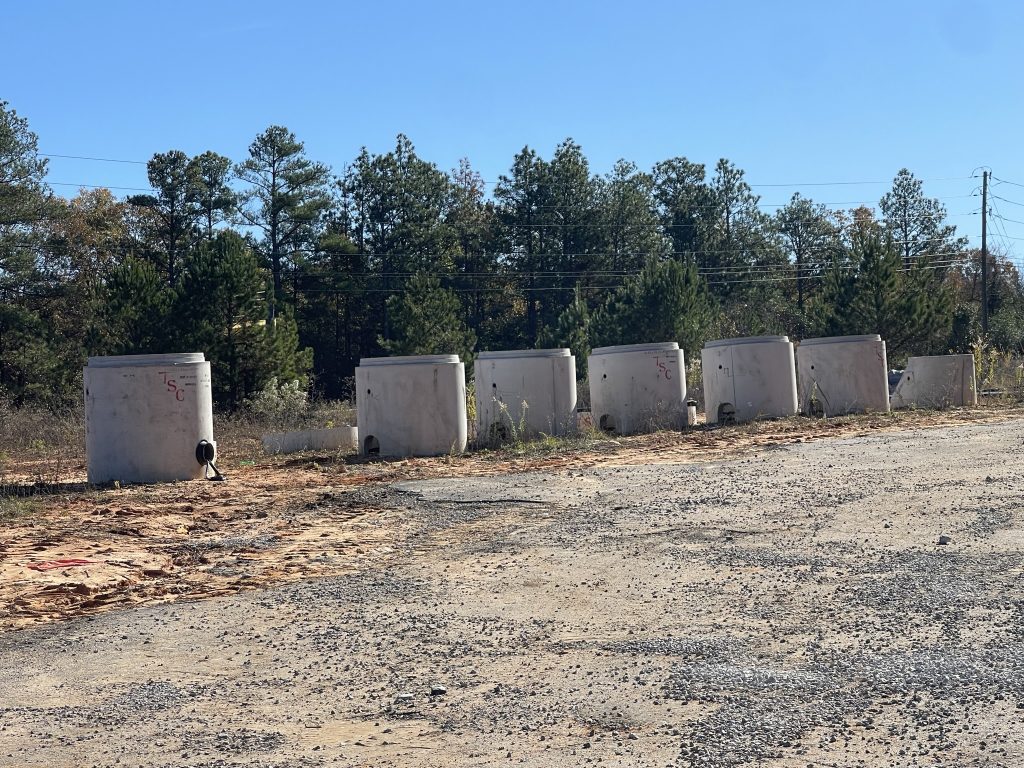
Autauga County’s new wastewater treatment plant is a good example of what that funding made possible. Working with the Central Alabama Electric Cooperative, Sain provided the engineering and surveying behind a new treatment plant, sanitary sewer collection system, force main, pump stations, and a bore crossing beneath I-65 — a project publicly bid under the county’s ARPA allocation. Beyond design, our team handled bid advertisement, pre-bid coordination, contractor questions, and construction-phase support, all of which had to move on a schedule compatible with ARPA’s spending rules. That same site has a 20-plus-year history with Sain, going back to the original master plan for the Interstate Business Park — a reminder that ARPA dollars often land on infrastructure that’s been years in the planning.
Where the real value is
Grant programs like RTP and ARPA reward agencies that can move from application to construction without missing a compliance step along the way — procurement under State Bid Laws, environmental clearances, ADA requirements, federal reporting, and construction administration that keeps a publicly funded project defensible from bid through closeout. That’s the work our team has built over more than 30 years across transportation, safety, recreation, and community development projects statewide, partnering alongside ALDOT, MPOs, regional planning commissions, and local governments.
If your agency is weighing an RTP application, sitting on ARPA dollars that need to move before the 2026 deadline, or trying to figure out which ADECA program fits a project you already have in mind, we’re glad to talk through it.