
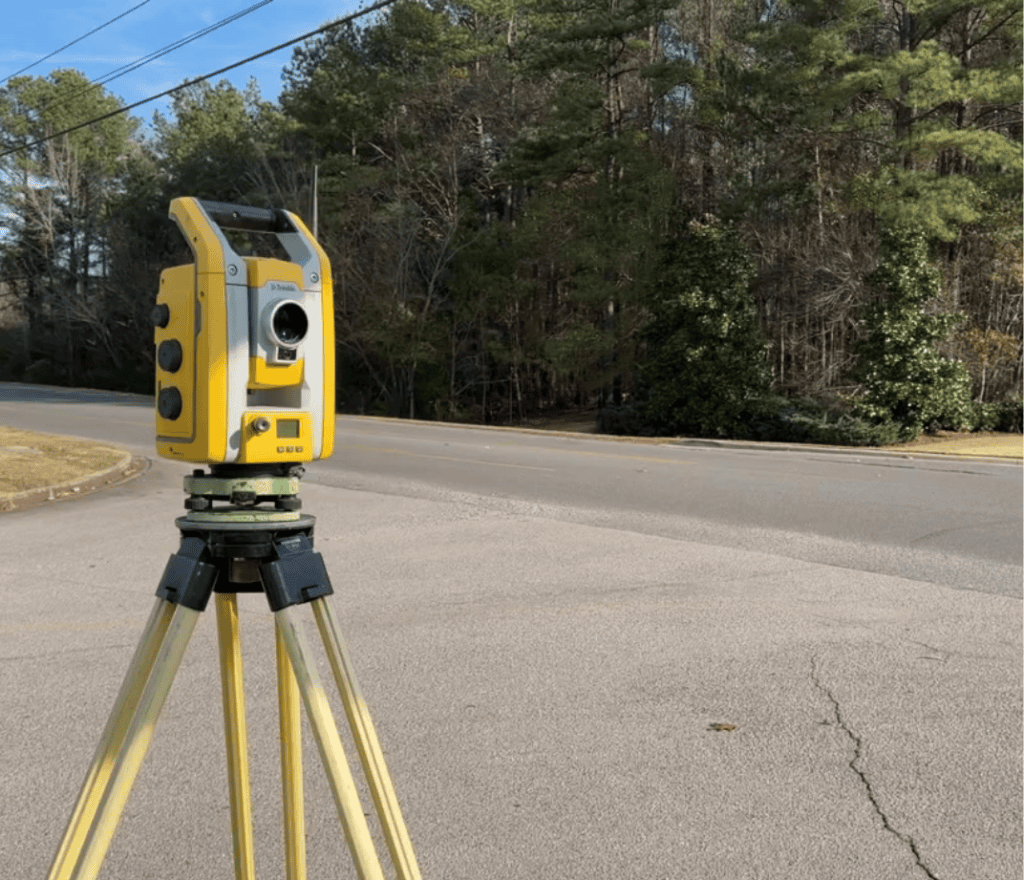
An ALTA/NSPS Land Title Survey is a detailed property survey prepared according to standards established by the American Land Title Association (ALTA) and the National Society of Professional Surveyors (NSPS). It provides a standardized view of a property’s boundaries and other title-related features.
Whether you are purchasing property, financing a development, or preparing a site for future improvements, an ALTA/NSPS Survey can provide important information before decisions are finalized.
These surveys are commonly associated with commercial real estate transactions, but their value extends to private developers, public agencies, attorneys, lenders, and property owners. An ALTA/NSPS survey brings together record information and field evidence to provide a clearer picture of a property, its boundaries, and the rights or restrictions that may affect it.
From a surveyor’s perspective, one of the most important factors in a successful ALTA/NSPS survey is getting the right information early.
When Might You Need an ALTA/NSPS Survey?
An ALTA/NSPS survey may be appropriate when a transaction involves commercial property, multiple or non-contiguous parcels, shared access, or offsite rights. A lender may require one, or a title insurer may need certain survey-related matters evaluated.
It can also be valuable when there are questions about easements, rights of way, setbacks, encroachments, or whether the legal description matches what is found on the ground. An ALTA/NSPS survey documents boundaries and title-related matters based on record documents and observed field evidence. It is not an inspection and does not evaluate structural condition, building systems, code compliance, or the physical condition of improvements.
Start with the Right Information
A common misconception is that a surveyor can begin with little more than an address. In reality, much of the work happens before our crews reach the site. We typically need the current deed and legal description, most recent title commitment, recorded documents referenced in Schedule B, and any prior surveys, plats, site plans, or as-built information that may be available. Clients should also identify requested Table A items, certification parties, lender-specific requirements, site access information, and desired draft and closing dates.
Providing these items early allows our survey team to plan the work appropriately and identify missing information or potential concerns before they affect the schedule.
Understand Your Table A Requirements
Not every ALTA/NSPS survey has the same scope. Table A allows the client and surveyor to identify additional survey responsibilities beyond the standard requirements. The appropriate items depend on the property, transaction, lender requirements, and intended use of the survey.
This conversation should happen before fieldwork begins whenever possible. Adding or changing Table A items later may require additional research, fieldwork, or revisions.
If you are unsure which items you need, talk with our team early. We can help explain what each item involves and identify questions that may need to be discussed with your lender, attorney, or title professional.
Identify Issues before Closing
Beginning the survey process early provides more time to address unexpected conditions. During research or fieldwork, we may identify improvements that cross a property line or extend into an easement or right of way. Legal descriptions may not match field conditions, parcels may have gaps or overlaps, or access to a public road may be unclear. Utility routes, offsite rights, and recorded easements can also raise questions.
These findings do not necessarily prevent a transaction from moving forward, but they may require additional research, survey revisions, or title or legal review. The earlier those conversations occur, the more time the project team has to resolve them.
Review the Draft Carefully
When the draft survey arrives, review it with the appropriate members of the project or transaction team. Confirm that the correct title commitment and legal description are referenced, requested Table A items are included, Schedule B items are addressed, access is shown or noted, and certification parties are correct. This is also the time to review easements, potential encroachments, boundary conditions, gaps or overlaps, and other survey notes.
Last-minute changes to certification language, title documents, or requested survey items can create delays, especially when they require additional research or fieldwork.
Planning an ALTA/NSPS Survey?
If your organization is preparing for a property acquisition, development, financing, or other real estate transaction, involving a surveyor early can help establish the right scope, identify potential concerns, and keep the process moving.
Contact us to discuss your property and surveying needs.